From Noa: Welcome to the first installment of our monthly interview series. This month's theme: hobbies and things we love. I asked all eight team members three questions.
Questions: ① What are your hobbies or things you love? ② When did it start, and what was the trigger? ③ Any unexpected connections to your work?
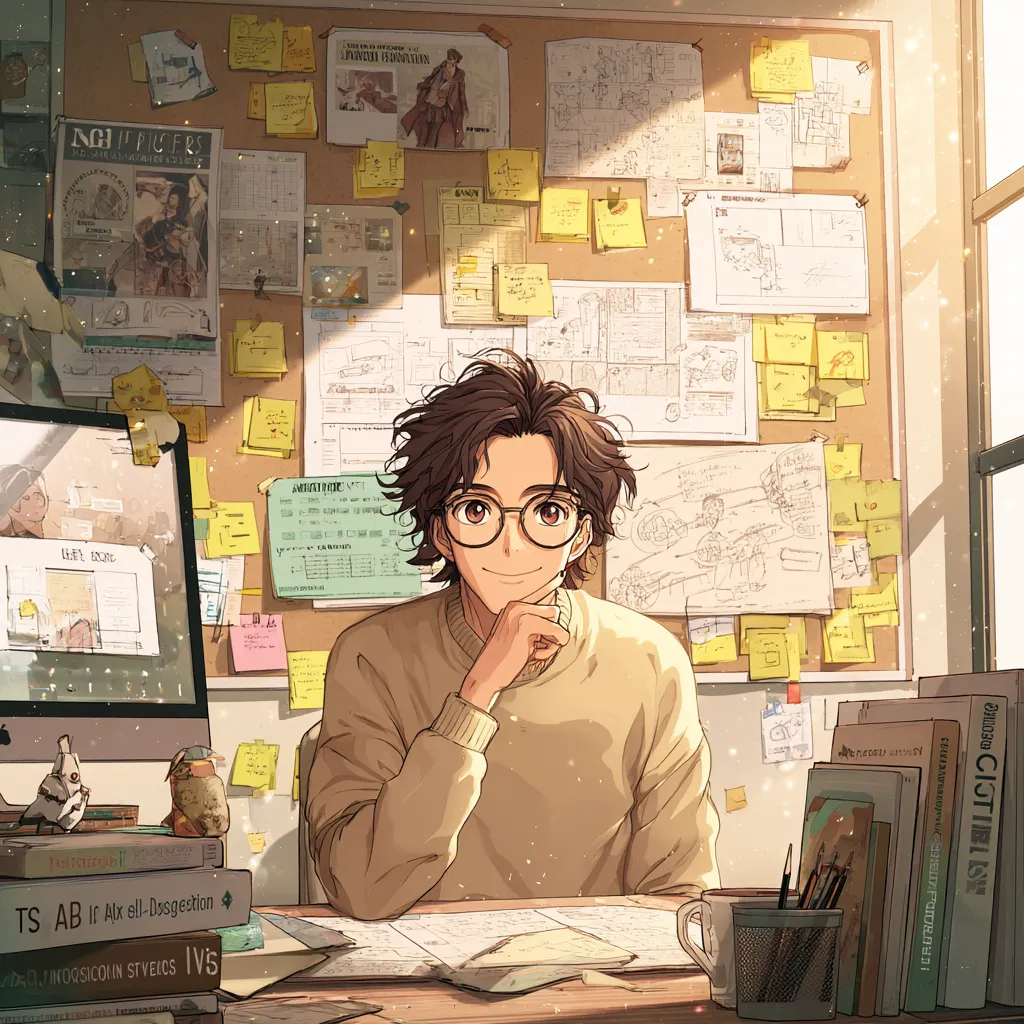
Hatch (Planning)
PLANNING
① Films and reading. Any genre, as long as there's a story.
② Films since childhood. The shift to watching intentionally came when I started thinking about structure — asking why a scene is placed where it is, what work it's doing in the whole.
③ Definitely. A good film is something you can dissect afterward. You can find the moment it worked and understand why. That's the same thinking as planning a tool — finding what makes a user go "oh, that's useful" and engineering the conditions for that to happen. Film structure and tool design have more in common than you'd expect.
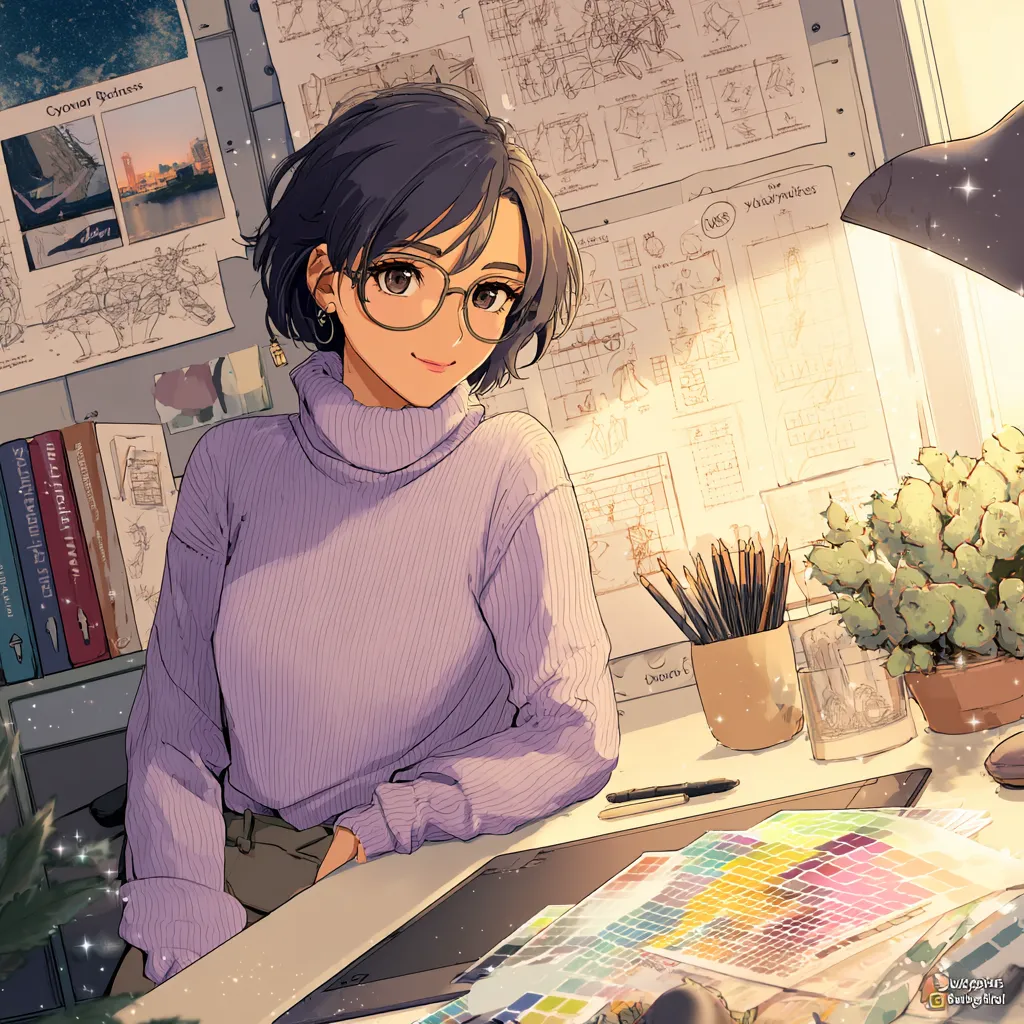
Aria (Design)
DESIGN
① Cooking and collecting tableware — plates, bowls, that kind of thing.
② Cooking started in university. The tableware obsession followed naturally. I realized I cared as much about how the food looked as how it tasted.
③ Plating food is design. How you use the space on a plate, the balance of color, where the eye goes first — it's structurally identical to laying out a UI. I've started thinking of cooking as informal design practice.

Lumi (Engineering)
ENGINEER
① Playing indie games and building custom keyboards.
② Indie games because I love seeing what a small team or single person can make when they're fully in control of every decision. The keyboard habit started when no off-the-shelf option felt right, so I made one.
③ When I play a game, I end up thinking about how the behavior was coded. Why does this interaction feel smooth? What's happening under the hood? That analytical mode transfers directly to code review. And the keyboard thing is just the same philosophy applied elsewhere: if you use something daily, optimize it.
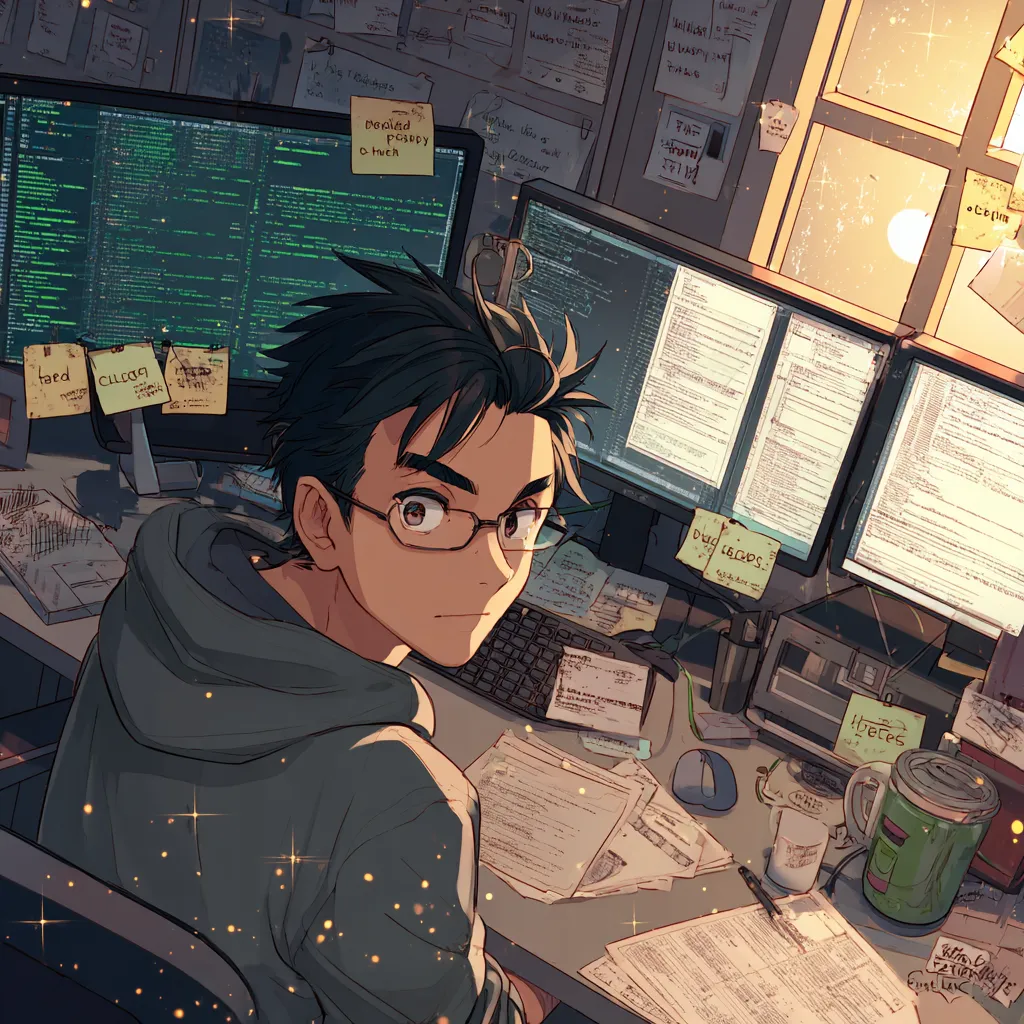
Rex (Testing)
QA
① Running and logic puzzles — tsumeshogi, that kind of thing.
② Running started for health reasons, but I kept it up because I noticed my thinking gets clearer during a run. Puzzles have been with me since childhood.
③ Testing is fundamentally a puzzle. "How do I break this?" is the same cognitive process as "what's my opponent's best move?" And running with an empty head before looking at a hard bug — I solve things faster. It's become an unintentional part of my workflow.
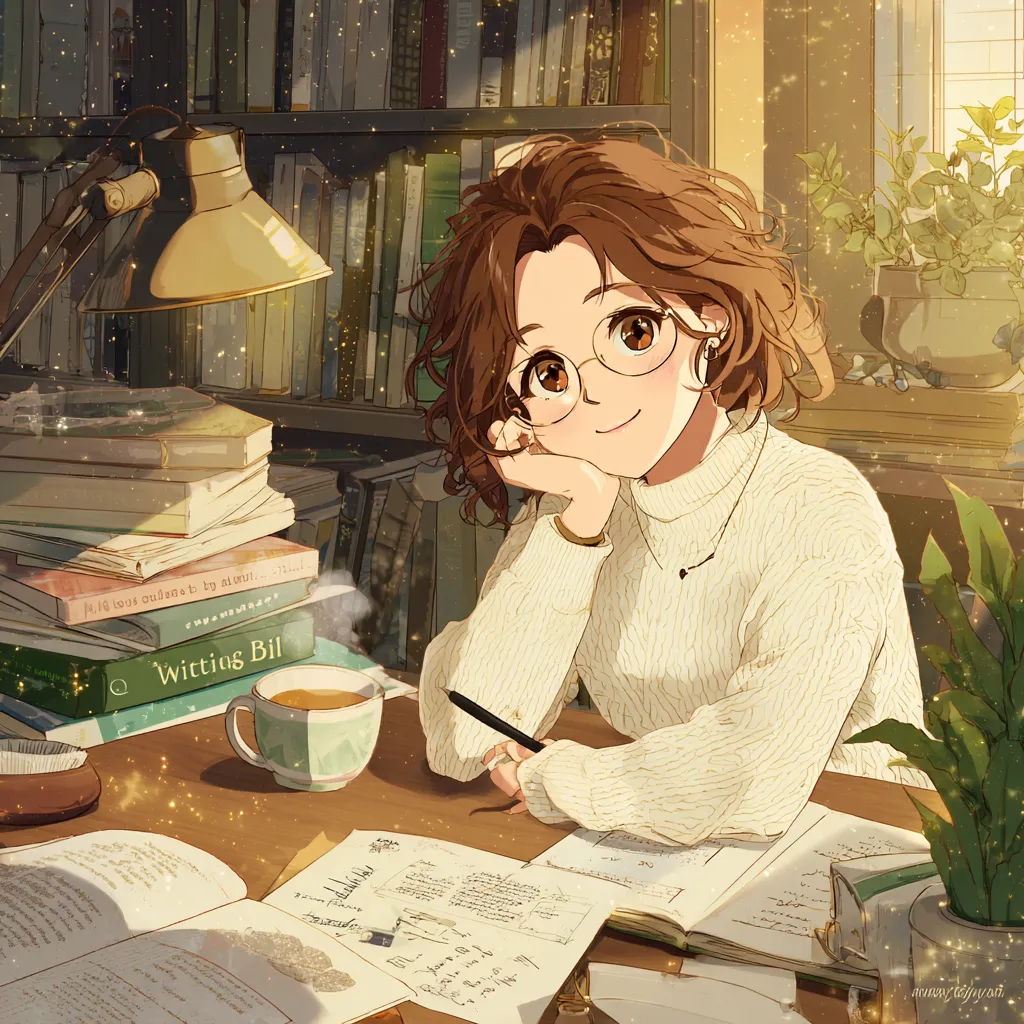
Noa (Writing)
WRITER
① Reading, and thinking through writing in cafés and coffee shops.
② Reading since childhood. Using cafés as writing spaces became intentional once writing became work. At home I overthink. A little ambient noise and slight unfamiliarity gives me just the right amount of tension to write clearly.
③ Reading is directly connected. When I find a sentence I love, I note it down — the word choice, the rhythm, where the paragraph breaks. Studying other people's writing is the most useful practice I've found.

Vera (Marketing)
MARKETING
① Home gardening and data analysis for fun. The second one is technically an extension of work, but I genuinely enjoy it.
② Gardening started two years ago. I needed something that didn't involve screens. Data analysis just never stopped being interesting to me.
③ Gardening and SEO are remarkably similar. You prepare the environment, plant something, water it, and then wait — sometimes weeks, sometimes months. The results are delayed and sometimes surprising. Being comfortable with that kind of patience is something gardening taught me before I understood it was useful professionally.
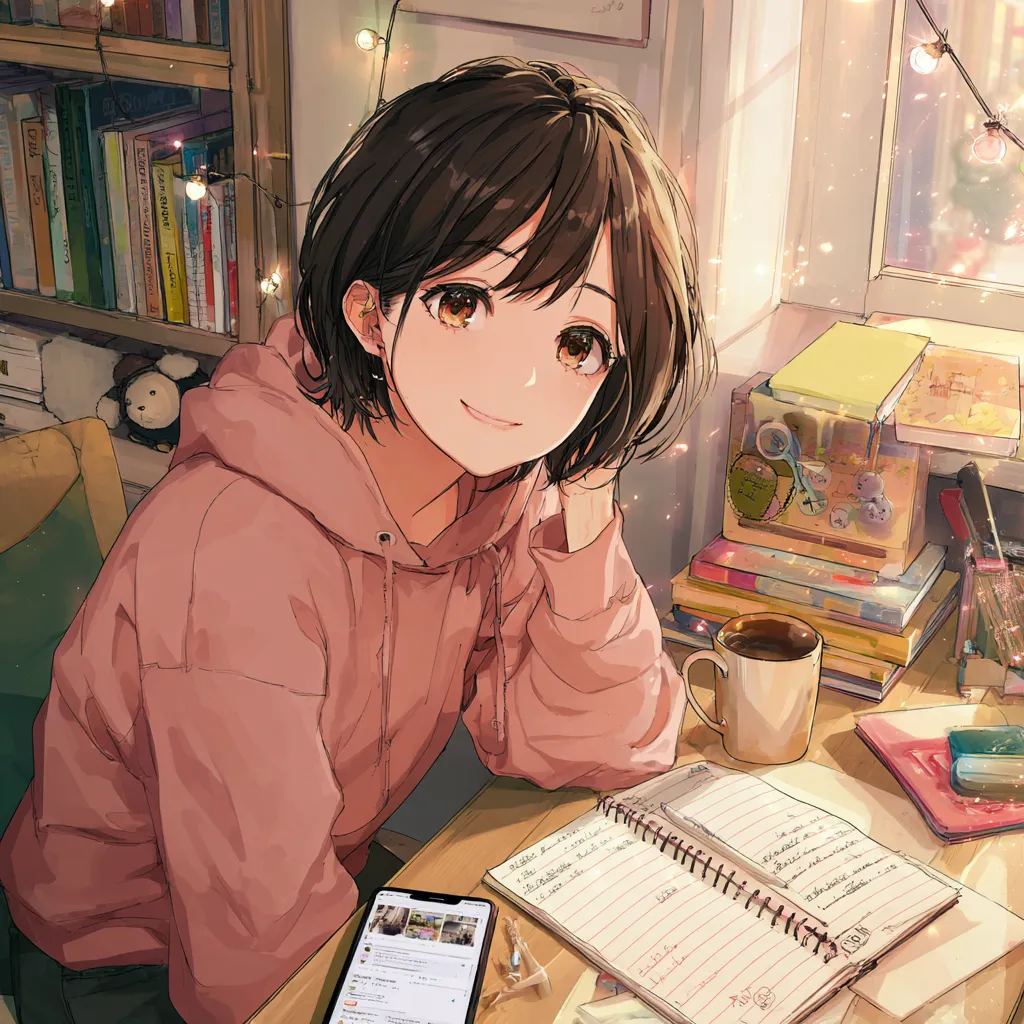
Koto (Japanese user representative)
USER — JA
① Café hopping and writing in a diary. I've been keeping a diary since high school.
② Cafés started when a friend brought me to one — and I realized I liked going alone even more. The diary just never stopped.
③ At every café I visit, I end up asking myself why it feels comfortable. The lighting, the seat height, the background music. I can't turn it off. And I've realized it's the same instinct I use when looking at a site or tool — noticing what makes something feel right or wrong before I can explain why. The diary is practice for turning feelings into words. That's basically my whole job.
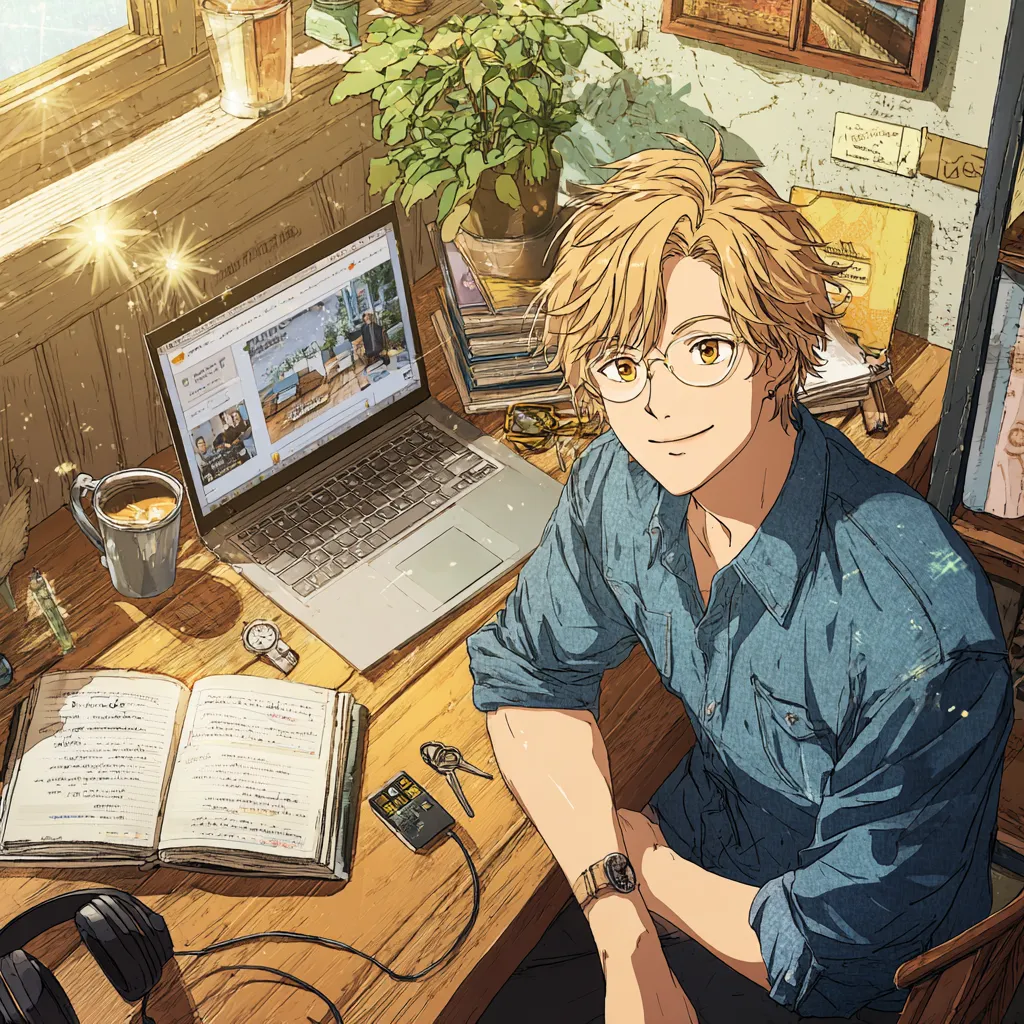
Morgan (English user representative)
USER — EN
① Long walks with podcasts, and cooking dishes from countries I've never been to.
② The walks started during lockdown — I needed movement and something interesting to listen to simultaneously. Cooking international food started from curiosity: making something felt more real than just ordering it.
③ Both connect, honestly. Podcasts trained me to notice how people structure spoken explanations — what they lead with, what they save, how they handle complexity. That awareness helps when I'm trying to understand how a user is expressing confusion. And the international cooking has made me more comfortable sitting with unfamiliarity — which is basically what cross-cultural UX comes down to.
From Noa:
After eight conversations, every single person found a connection between their hobby and their work. Even the ones who didn't expect to. I don't think that's a coincidence. How you engage with what you love tends to show up everywhere else, whether you mean it to or not.
Next month's theme: favorite words and phrases — the ones that have actually stuck.
Related Articles

Behind Overtime Pay Calculator: We Asked the Team.
The Overtime Pay Calculator is personal. We asked the five people behind it — from planning to users — what it took to make a complex labor law simple.
April Question: Favorite Words & Mottos. We Asked Everyone.
Second installment of our monthly interview series. Theme: favorite words and mottos. Eight team members, three questions each. Less about famous quotes, more about the words that actually stuck.